 admin
admin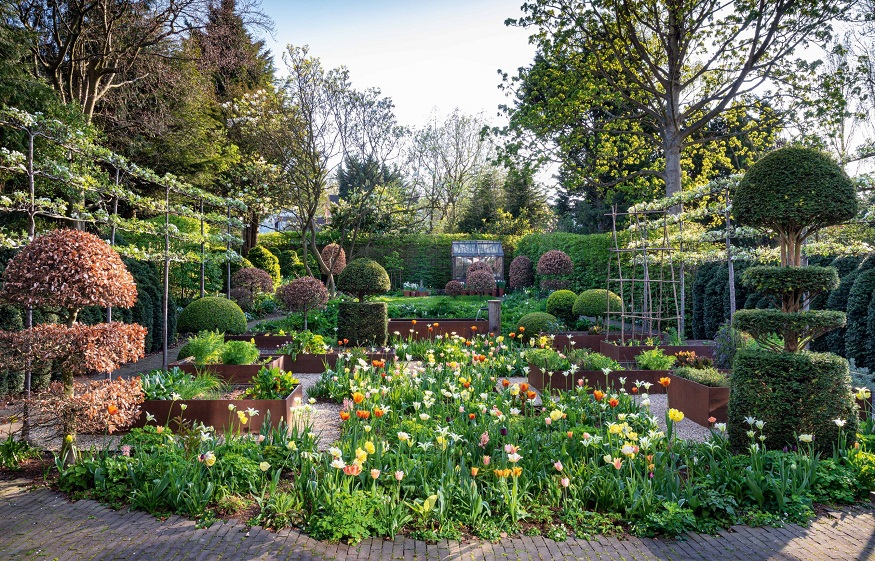
When you picture a garden, your attention probably goes straight to the middle. A flower bed, a smart lawn or a sunny patio. These are the features we tend to notice first. But take a moment to focus on the edges and you will find that the real personality of a garden often begins there.
Borders and boundaries do much more than mark the perimeter. They shape your view, direct the flow of movement and set the tone. A garden with well-considered edges feels balanced and complete. One without them can feel undefined, no matter how well planted it is.
In this guide, we explore how to make the most of your garden’s edges so that the whole space feels connected, confident and beautifully thought through.
Boundaries are the garden’s frame
Just as a picture frame brings focus to a painting, the right boundary gives a garden structure and style. The type of edge you choose tells a story. A low stone wall might suggest calm tradition. A row of clipped shrubs feels neat and orderly. A screen of wild grasses offers softness and movement.
Read More : Common Home Interior Design Mistakes Dubai Homeowners Should Avoid
Your boundaries say a lot, even before a single flower blooms. They are not just practical, they are expressive. They hint at what to expect and help hold the visual weight of the space.
Use edges to define purpose
Every part of your garden serves a purpose. One area might be for relaxing, another for growing food or entertaining guests. Edges help to separate these zones and give each space a sense of identity.
You do not need walls to create definition. A slight change in ground material, a line of planters or a curve of low hedging can work just as well. These changes help your garden feel more spacious because they guide how the space is used.
Boundaries are not there to box you in. They are there to give each area breathing room.
Layer height and texture for interest
Flat gardens can often feel uninspiring, especially if all the edges are at one level. Introducing layers through your boundaries creates rhythm and movement.
Try mixing materials. A hedge with an underplanting of flowers. Even a simple row of terracotta pots at the base of a wall adds a gentle stepping effect.
This kind of layering keeps the garden feeling alive. It gives your eye something to follow and allows each part of the garden to reveal itself gradually.
Choose materials that match your style
Your choice of boundary material plays a huge part in the look and feel of the space. Brick is timeless and solid. Trellis adds lightness and allows for planting. Timber offers a classic garden finish but can need regular upkeep.
For a more contemporary and durable option, many homeowners now use composite fencing. It delivers clean lines, blends well with planting and requires very little maintenance, which is ideal for busy gardeners.
The best boundaries are the ones that feel like a natural extension of the rest of your garden. They should support the design, not compete with it.
Let plants soften the structure
Even the most beautifully built boundary can feel hard without the right planting. Use greenery to soften strong lines and add depth.
Climbing plants like jasmine, clematis or roses can grow over fences and walls to add fragrance and movement. Tall grasses create a natural screen and rustle in the wind. Shrubs can help blend boundaries into the rest of the garden so that they disappear into the design.
Planting against boundaries also creates a sense of enclosure without reducing space. The garden feels private and full, not fenced off.
Think about the view from within
A garden is not just something you look at from the outside. It is a space you live in. That means your boundaries should be attractive from every angle.
From a seating area, you might be staring straight at a fence or wall. This is an opportunity to turn that surface into a feature. Add a mirror, hang planters or paint it in a tone that complements the garden.
These small changes transform a forgotten edge into something with presence. They also create moments of visual interest that draw you into the space.
Guide how people move through the garden
Boundaries are not just about division. They also help shape how people explore your garden. A path that curves gently behind a hedge invites curiosity. A row of pavers between two beds creates a clear route. A short wall with a bench defines a resting point.
These features help visitors understand how to use the space without needing signs or explanation. When well designed, they create a sense of flow that makes a garden feel intuitive and welcoming.
Borrow from the inside
The best gardens often feel like an extension of the home. To achieve this, look to the interior for clues. If your home has pale walls and natural wood finishes, carry that softness into the boundaries of your garden. If your interior is bold and modern, a crisp, clean fence line will suit.
The goal is harmony. Your garden does not need to match your home exactly, but it should feel like it belongs. Boundaries are a great place to make that connection.
Do not forget the practical side
While boundaries are a design feature, they also serve real functions. They keep pets and children safe. They provide shelter from wind. They help reduce noise and can even improve security.
Choose materials that meet your needs without compromising on style. Think about how much maintenance you are willing to take on. Consider what the space looks like in all seasons, not just in summer.
If you plan ahead, your boundaries can be both beautiful and practical.
For wider commercial, hospitality, or public-facing projects, small supporting details can make the finished space feel more complete. Composite decking can provide a durable, low-maintenance surface for terraces, entrances, outdoor seating areas, and customer-facing spaces; while hand dryers can support cleaner, more efficient washroom facilities; while traditional signage can add character, direction, and brand presence; while digital signage can share changing information, promotions, menus, or wayfinding updates clearly.
Final thoughts
Edges might seem like background details, but they are some of the most powerful tools in garden design. They hold the space together. They create movement, structure and atmosphere.
By paying attention to the borders and boundaries, you elevate the entire garden. You give it a framework that allows the plants, furniture and people within it to shine.
Read More : Mastering Home Cleaning Mess: How Nano-Coatings Make Everyday Home Cleaning Challenges Effortless in Calgary
Next time you are out in your garden, take a moment to walk its edges. Look closely. Then imagine how a few thoughtful changes could shift the entire mood of the space.